
The Thrill of Risk: Understanding High-Stakes Gaming
The allure of high-stakes casino gaming can often be attributed to the thrill of risk. Players are drawn to the idea of betting large amounts of money, and the adrenaline rush that accompanies the possibility of significant wins. This excitement stems from the brain’s reward system, which releases dopamine – a neurotransmitter associated with pleasure – whenever a player makes a win, even if it’s a small one. A popular choice among enthusiasts could bebitcoin betting sites that amplify the excitement, and as stakes increase, so does the excitement, creating a captivating cycle that players find hard to resist.
Moreover, the risk factor in high-stakes gaming appeals to a variety of psychological triggers. Many players experience a heightened sense of urgency, believing they may miss out on a life-changing opportunity. This feeling, often referred to as FOMO (fear of missing out), can push players further into the world of gambling, where the stakes get even higher. Consequently, players may find themselves chasing wins or trying to recapture losses, which can lead to a compulsive gambling behavior.
The Social Aspect of Gambling: Bonding Over Bets
High-stakes gaming also plays a significant role in creating social connections among players. Many people view casinos as social hubs where they can meet others who share similar interests. The communal experience of playing high-stakes games fosters camaraderie, as players often join together in their shared hopes and dreams of hitting the jackpot. This social interaction adds another layer to the gaming experience, making it not just about the money, but also about the relationships formed within the casino environment.
In addition, the presence of other players can influence individual behavior. The excitement and energy in a room filled with players can amplify one’s own emotions, leading to bolder betting decisions. This phenomenon, known as social facilitation, can create a powerful atmosphere that heightens the overall experience of gambling, further encouraging players to engage in high-stakes games.
The Role of Cognitive Biases in Gambling Decisions
Cognitive biases play a crucial role in high-stakes casino gaming. Players often fall victim to the illusion of control, believing that they can influence the outcome of games through their actions or strategies. This belief is particularly evident in games such as poker, where skill and psychology intermix. Players may convince themselves that they have a winning edge, which can lead them to continue betting even when statistical probabilities are not in their favor.
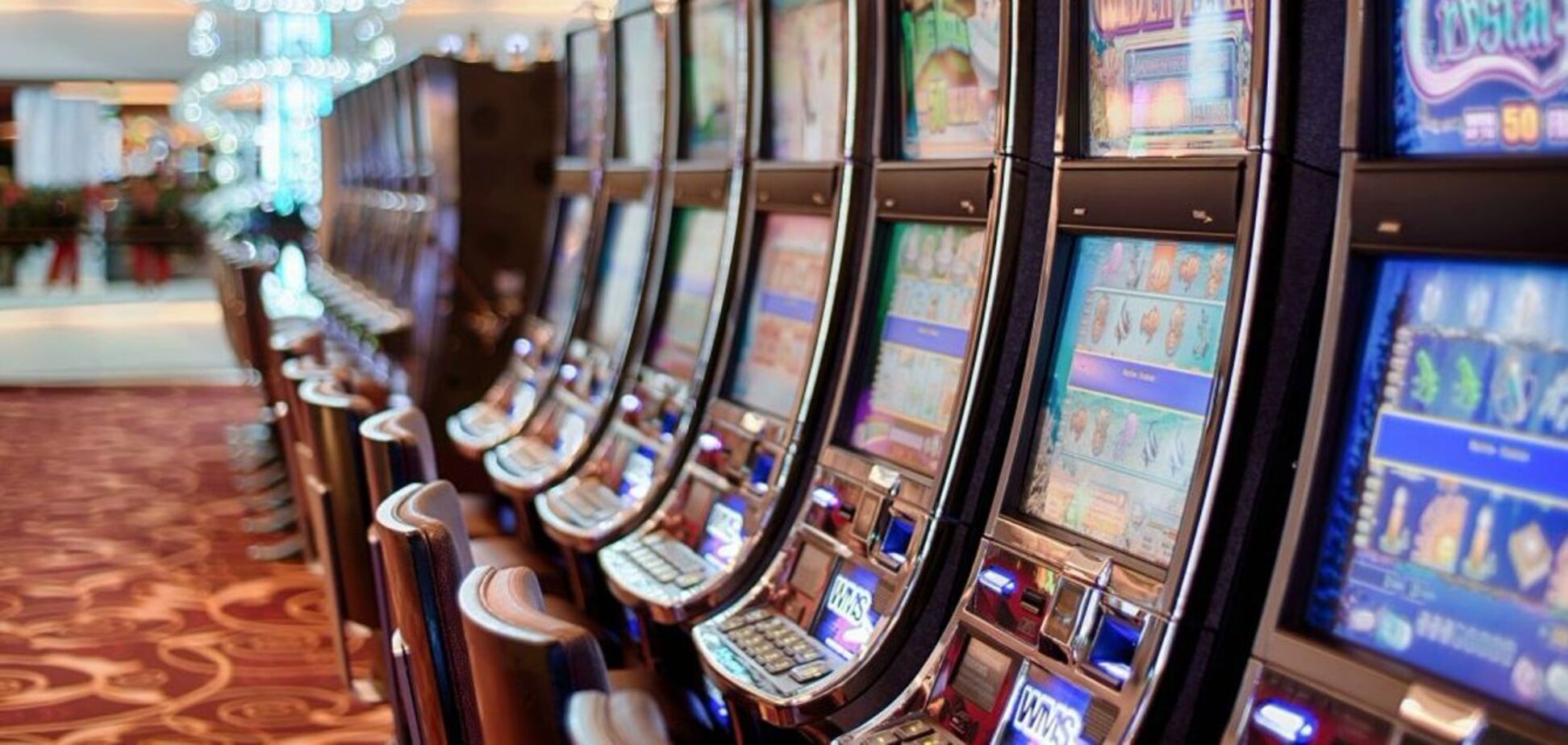
Another common cognitive bias is the gambler’s fallacy, where individuals believe that past outcomes affect future ones. For instance, a player might think that a slot machine is “due” for a win after a series of losses. This flawed reasoning can encourage continued play, as players rationalize their decisions based on misconceptions about chance and likelihood. As a result, cognitive biases significantly shape the gambling experience and influence players to engage further in high-stakes gaming.
The Emotional Rollercoaster: Wins, Losses, and Everything in Between
The emotional experience of high-stakes casino gaming is akin to a rollercoaster ride, characterized by intense highs and lows. The euphoria of a big win can lead to feelings of invincibility, prompting players to wager even larger sums. Conversely, losses can bring about despair, regret, and anxiety, which may compel some individuals to chase their losses by continuing to gamble. This emotional turbulence is a hallmark of high-stakes gaming.
Additionally, the way players cope with these emotional fluctuations can vary widely. Some may adopt a more optimistic outlook, viewing losses as just part of the game, while others may experience detrimental effects on their mental health. This emotional rollercoaster can create a sense of attachment to gambling, making it challenging for players to step back, assess their behavior, and establish healthy boundaries in their gaming habits.
Ensuring a Safe and Secure Gaming Environment
While the psychology behind high-stakes casino gaming is complex, it is essential to prioritize safety and security in the gaming environment. Many online platforms now offer advanced security services to protect users from potential threats, ensuring that sensitive information remains safe. Players should be aware of the measures in place to secure their data and provide a reliable gaming experience.
If users encounter access issues during their online gaming experience, proper guidance is often available to help them resolve these problems. This support not only enhances the user experience but also fosters a sense of trust and reliability in the platform. Ultimately, a secure gaming environment allows players to focus on the thrill of the game without the added stress of worrying about their personal information.